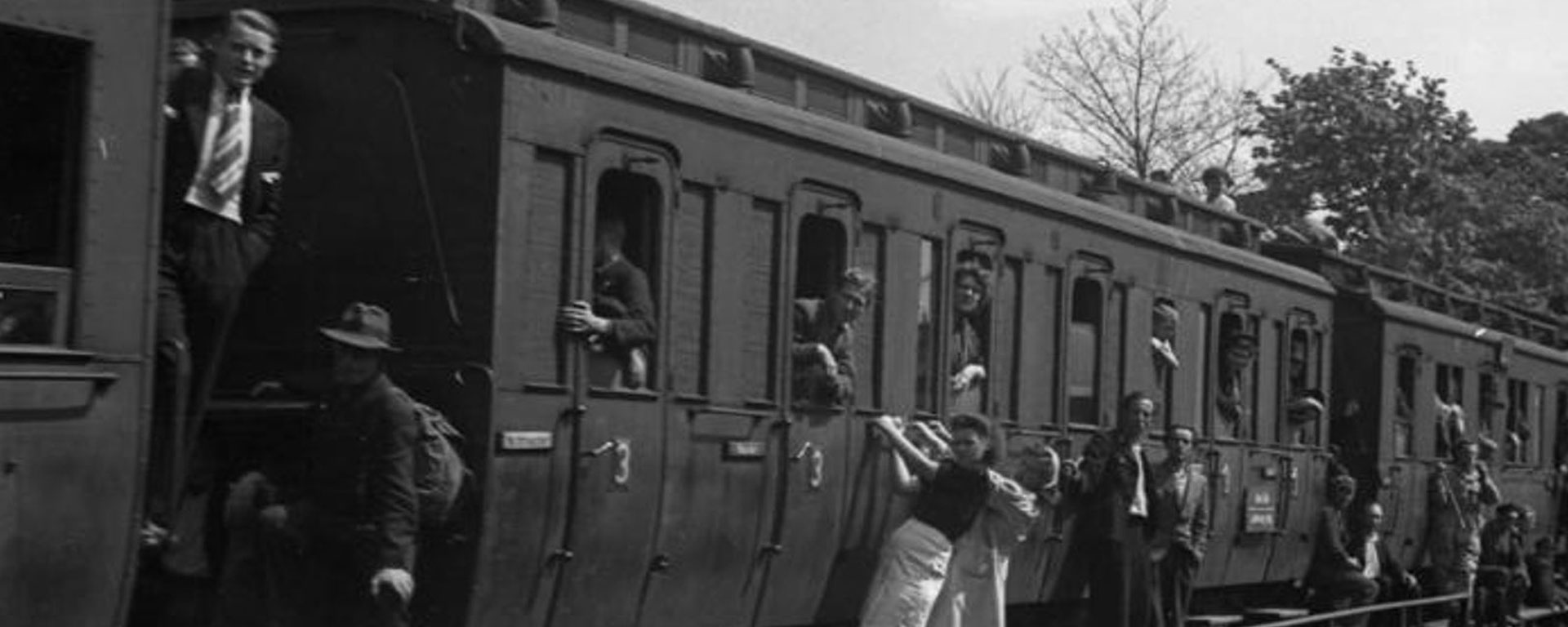
In 1953, 16 countries in war-ravaged Europe created the first intergovernmental organisation to co-ordinate national transport policies. Seventy years later, the ECMT’s successor has 66 member countries around the world and continues to shape transport policies that improve lives.
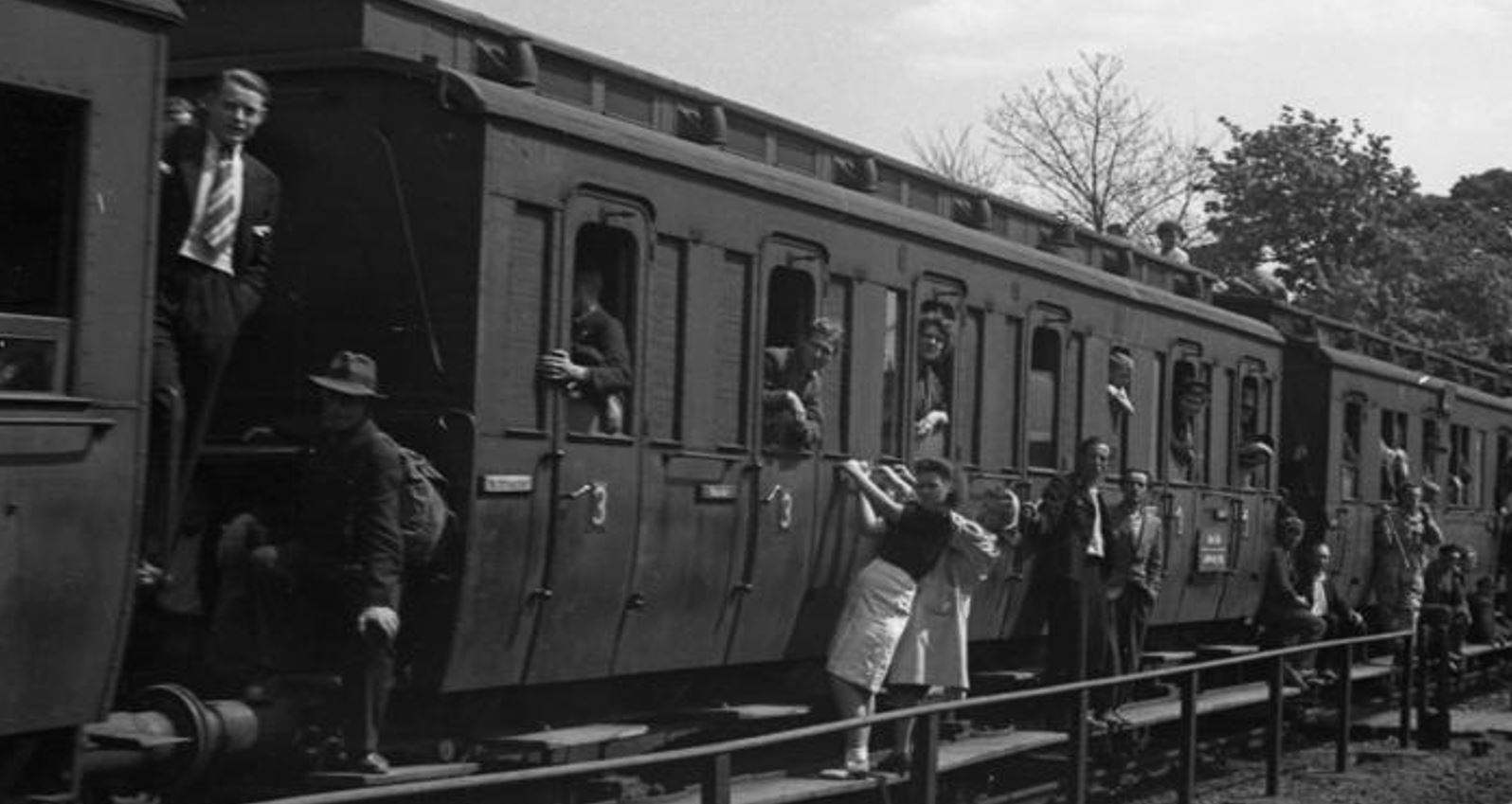
On Saturday, 17 October 1953, representatives of 16 European nations gathered in Brussels with a joint mission: to set up “a procedure whereby effective steps can be taken to co-ordinate and rationalise European inland transport of international importance”.
With their signatures under the “Protocol concerning the European Conference of Ministers of Transport“, they launched a body that today celebrates seven decades of shaping and harmonising European transport policy.
The ECMT or CEMT, as it became known after its English and French abbreviations, was Europe’s answer to a Herculean challenge: rebuilding transport systems devastated by six years of war.

A “transport pool” for Europe
The initiative had come from France. Prime Minister René Mayer had hosted transport ministers in Paris in January 1953 to discuss a “European Transport Pool” that would co-ordinate rates and technical improvements. The Soviet Union, meanwhile, considered the pool an “imperialist threat”, according to declassified documents.
The legwork for what became the ECMT was done in a three-month-long conference on “the future of European transport” in the spring of 1953, held under the auspices of the Organisation of European Economic Co-operation (OEEC, which in 1961 would become the OECD) and based on a report by OEEC experts.
With the Protocol signed, the founding fathers – no women were among them – headed for the Royal Palace to toast the new organisation at a reception hosted by Baudouin, King of the Belgians.

“A very simple operation”
To co-ordinate the work of the ECMT, “a very simple operation” was set up “by appointing only one official”: Secretary-General Michel Mange, a Belgian, who steered the Secretariat until 1966. To this day, the ECMT, and then the ITF, has remained a decidedly slender organisation.
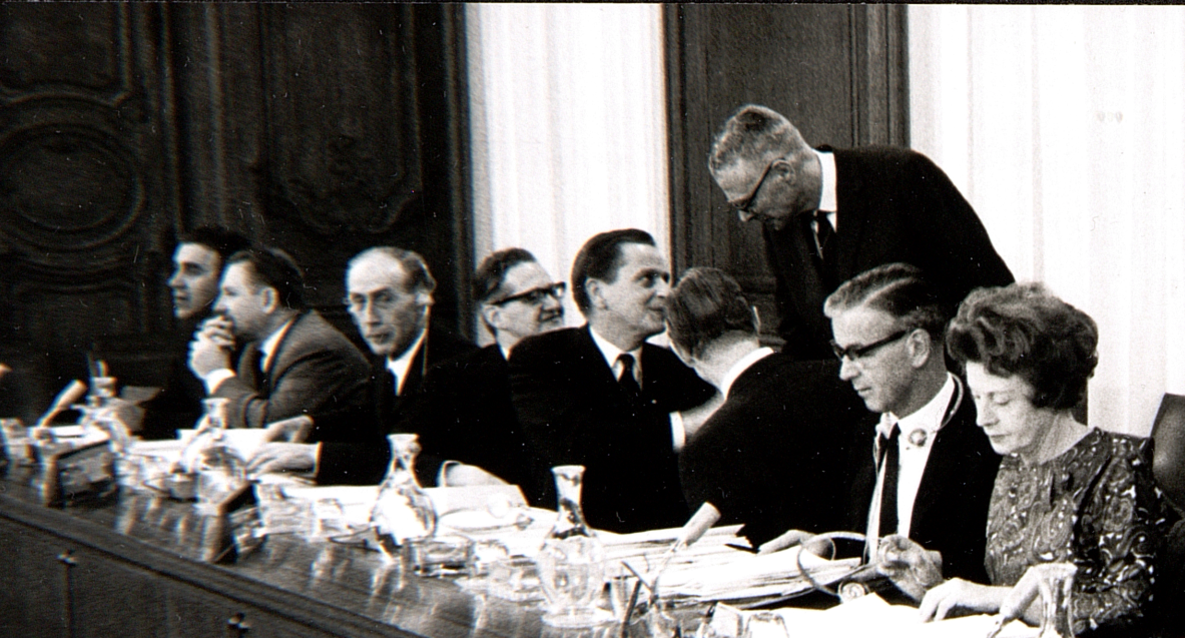
Among the ministers who shaped the ECMT are renowned Statesmen and -women: Sweden’s Olof Palme, later Prime Minister and Nobel peace laureate, and legendary British Labour politician Barbara Castle, who introduced speed limits, breathalysers and compulsory seat belt-wearing.
For such reforms, the ECMT provided a springboard. Members often adopted the conclusions of ECMT’s ministerial meetings as resolutions or conventions, making them the benchmarks for member states – which helped implementation at home and harmonisation across Europe.
“Foresightful and dedicated work”
The creation of the ECMT’s own Research Centre in 1968 further spurred evidence-based policy-making by putting scientific insights at the fingertips of policy makers. To date, almost 200 research Roundtables have been held.
The achievements of the ECMT era are numerous. A 2017 study on transport governance in Europe notes that the ECMT “became an important source of statistics on transport use, accidents, investment, traffic forecasts and related issues”.
In 1990, the ECMT’s work was recognised with the Prognos Prize for its “foresightful and dedicated work for the co-ordination of transport policy decisions on a pan-European level”.

Trans-European networks
Several achievements stand out. Many provisions on road signage first adopted by the ECMT found their way into the 1968 and 1971 conventions and protocols on road signs and signals, for instance. The ECMT Charter on Access to Transport Services and Infrastructure, agreed in 1999, set standards for inclusiveness, stipulating full access for wheelchairs as a minimum requirement, for instance.
The concept of pan-European corridors was first aired at an ECMT meeting in 1993 – today, the Trans-European Transport Network (or TEN-T) is a fact, with nine core corridors from Portugal to Poland and northern Norway to Sicily.
An excellent example of how the ECMT shaped transport policy in incremental but lasting ways is the liberalisation of coach services in Europe. As early as 1969, ministers had formulated “general rules for international coach and bus transport” in ECMT Resolution No. 20.

Ongoing success story
In 1982, these principles were codified in the “Agreement on the International Carriage of Passengers by Road by Means of Occasional Coach and Bus Services”, notably non-discrimination on the grounds of nationality, simplified inspection procedures with uniform models for documents and exempted coach services from certain taxes.
One of the signatories was the (then) European Community, which, in 1995, after the fall of the Iron Curtain, used ASOR as the blueprint for a coach services agreement with Central and East European countries. The “Interbus Agreement” of 2000 extended ASOR principles to seven new countries and established the 1969 ECMT principles as EU law.
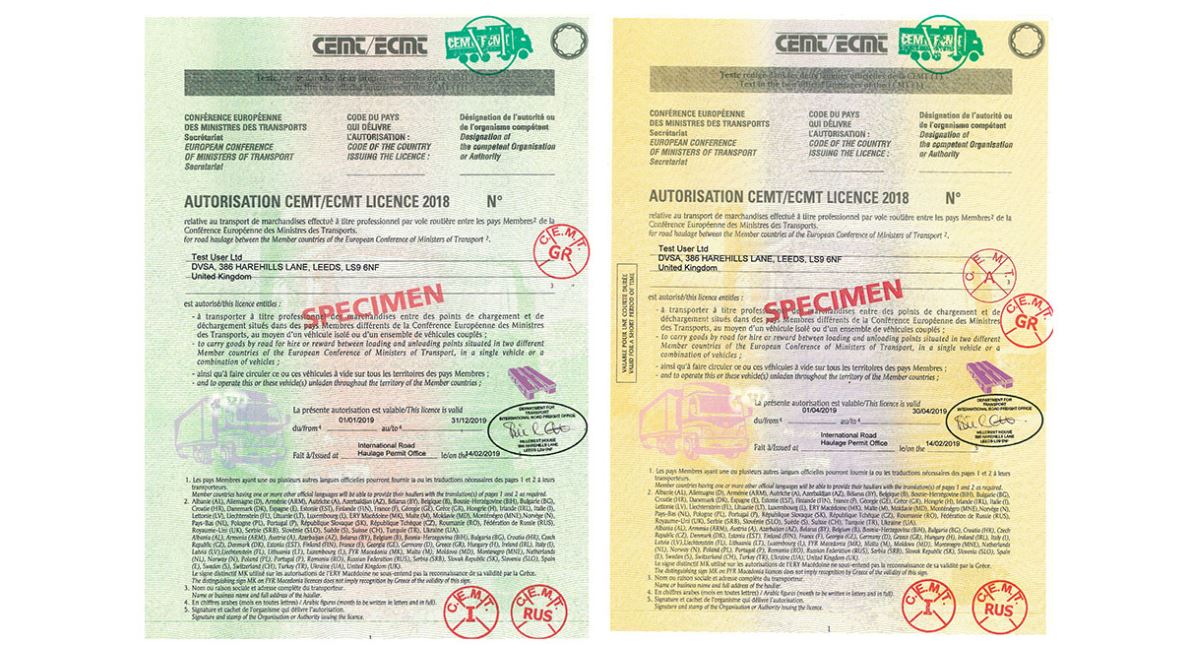
An ongoing success story is the ECMT’s Multilateral Quota system, a mechanism to facilitate cross-border road transport, created in 1973. The ECMT-issued licenses enable hauliers to carry out cabotage operations with multiple cross-border trips between ECMT member countries.
Fifty years on, the Multilateral Quota system remains an important mechanism for facilitating trade, as well as for improving technical, environmental and social standards in road transport.
Going global
The work of ECMT was noticed in Europe’s capitals, as demonstrated by the steady growth in membership. From its creation to its transformation into the ITF, the number of member countries more than trebled from 16 to 51, including observers and associate members.
In 2006, the ECMT went global. International trade and travel had reached unprecedented levels. Transport connectivity questions were no longer limited to land transport. The regional and surface transport-based response the ECMT had offered for over half a century no longer sufficed. And it had fulfilled its original task of rebuilding Europe’s transport systems. Now, the big issues for transport were multimodal and relevant worldwide.
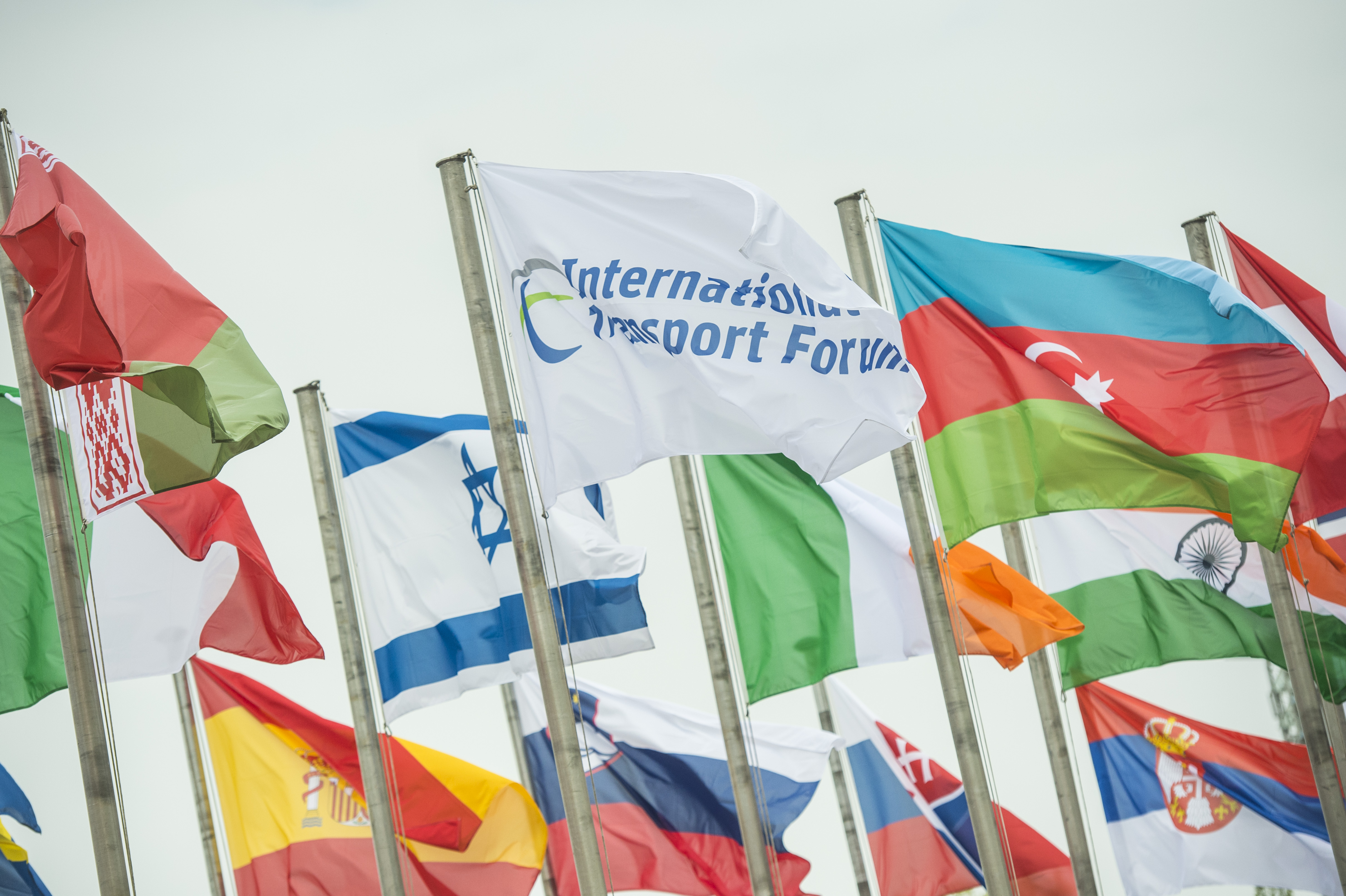
Meeting in Dublin in May 2006, ministers decided to evolve the ECMT into a global organisation with a mandate for all modes, not just land-based transport as the ECMT. They named it the International Transport Forum, or ITF.
From strength to strength
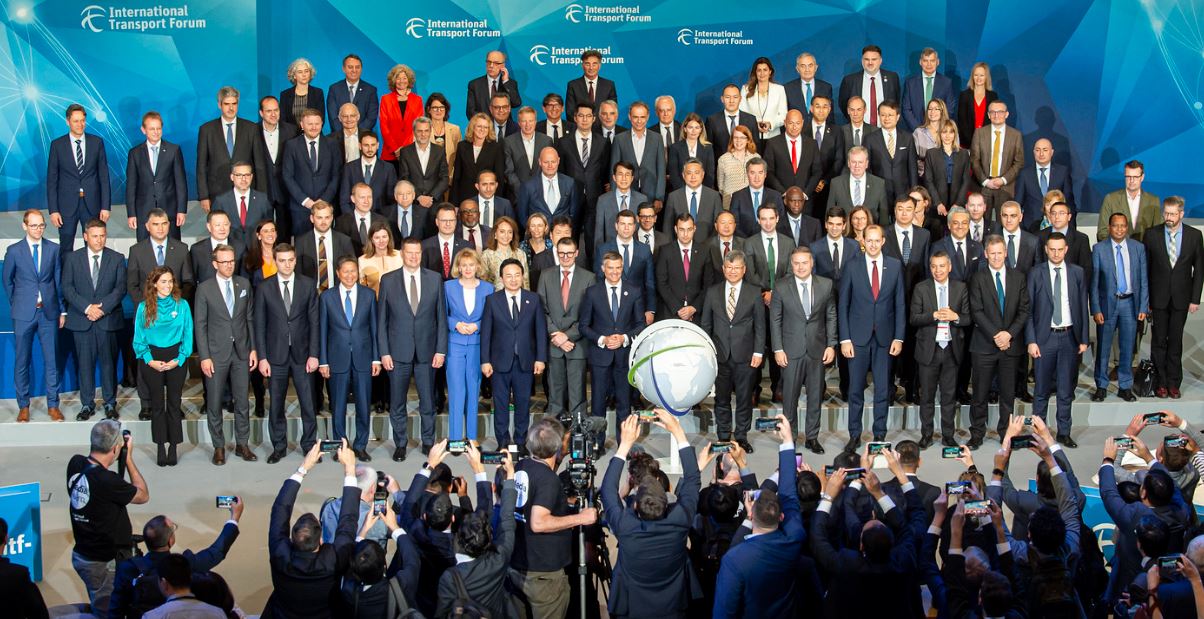
In its turn, the ITF is going from strength to strength. Yet the ECMT remains the legal core and an integral part of the new organisation’s heritage – a heritage that the 70th anniversary of ECMT invites us to celebrate.
“Knowing your past is important to find a good way forward. Only if we know how we have become what we are can we make wise choices for the next steps – this is as true for institutions as for humans, reflects ITF Secretary-General Young Tae Kim:
“Organisations that proudly build on their past are stronger, more resilient, better-equipped to face the future.”
 Transport Policy Matters
Nice article.
Well done. Good to see the past remembered
LikeLike
A past in which you played a critical role, Jack, particularly in the transition from ECMT to ITF. A wonderful legacy.
LikeLike
Nice to know about the foundations of the ITF. A good information to keep in mind.
LikeLike
Indeed Jack.
Congratulations on your pivotal support for valuable change in thinking and policy over many years
Eric Howard
LikeLike