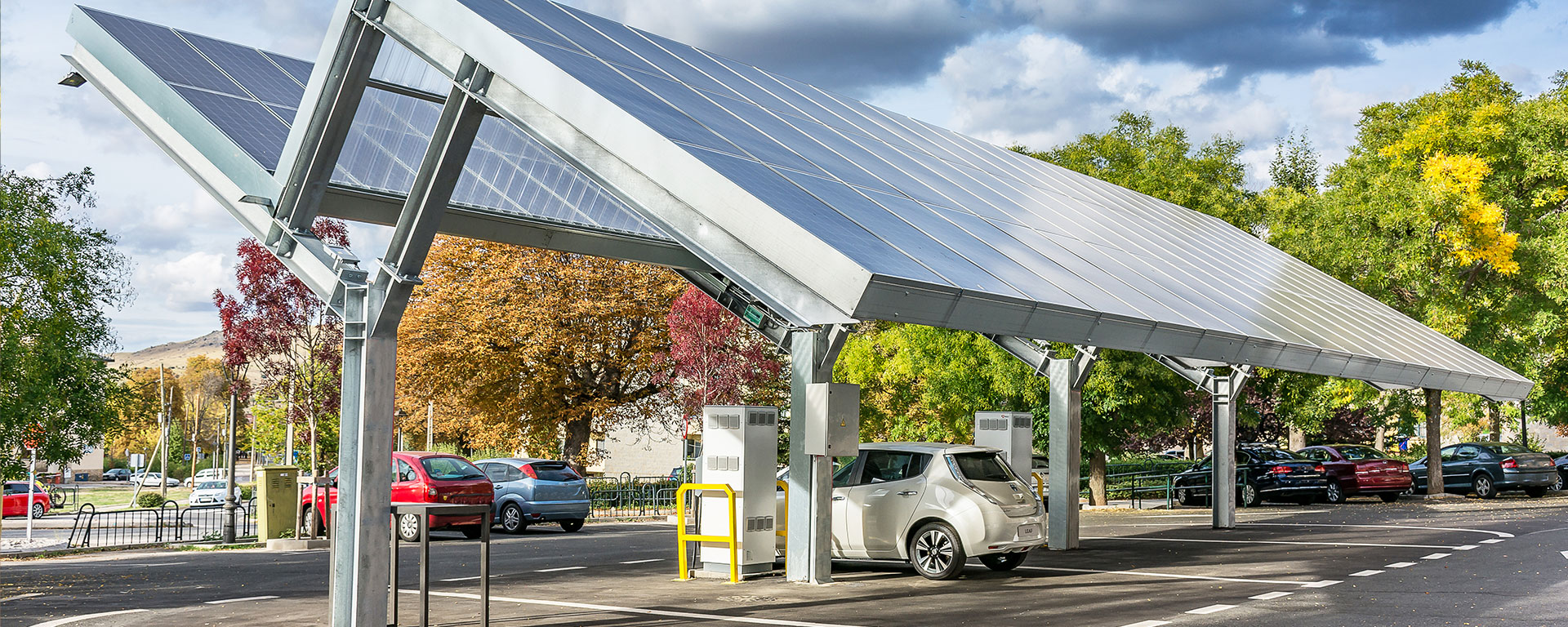
Ahead of a unique COP28 meeting with transport and energy ministers, Young Tae Kim sets out the cross-sectoral transformation that will sustain future mobility
Stating the obvious is never a mistake when debating climate change.
Those who do not care must hear the hard facts again and again: this planet will become unliveable if we don’t tackle emissions now.
Some of those who care a great deal could occasionally use a reminder that worrying about their particular neck of the woods is just not enough: we need to think big and broad and bold.
The nexus between energy and transport illustrates the need to overcome sectoral myopia.
The clean energy transition and transport decarbonisation must be treated as one and the same challenge, not distinct albeit interrelated ones.
Still hooked on oil
Roughly one-quarter of all man-made CO2 emissions stem from moving people and goods. Without decarbonising transport, global heating cannot be stopped. And without the clean energy transition, transport has no hope of reaching net zero emissions.
Yes, electrification has accelerated. Renewable energy supply has skyrocketed. Sales of electric vehicles are booming. But it is not happening at the speed needed, not in all world regions, and only for a few transport modes.
Half a century after the first oil shock, human mobility and goods transport remain hooked on oil: they depend on fossil fuels for more than 90 per cent of their energy – the highest share of any end-use sector.
Is the juice clean?
The number of electric vehicles on our roads is a deceptive benchmark. Not all drive with juice from clean sources, and what good for the climate are electric vehicles relying on coal-fired power plants?
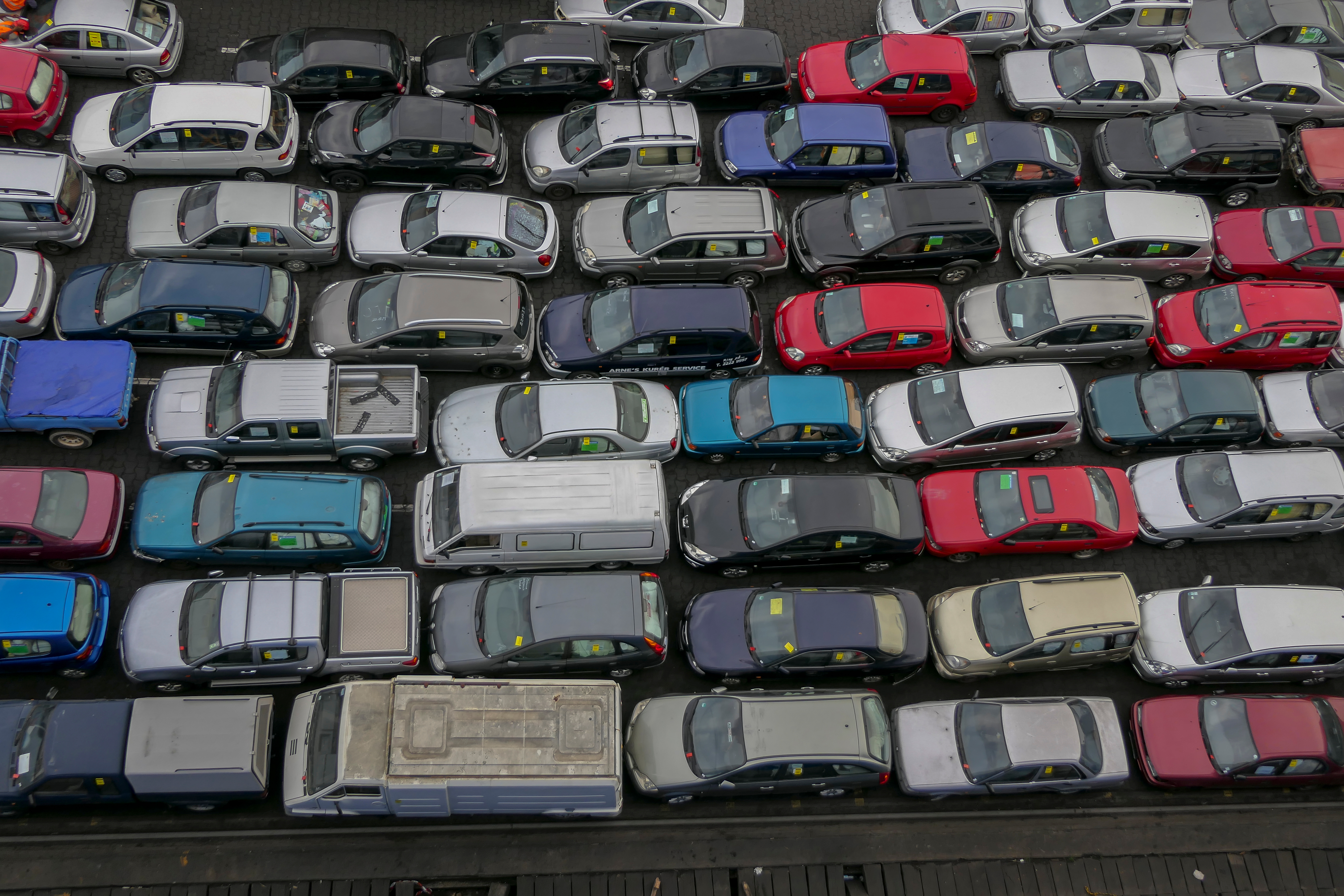
Many decommissioned petrol and diesel cars end up in poor countries – where they continue to emit. In Norway, electric vehicles made up 95% of new car sales last year, and exports of used (conventional) cars increased more than six-fold compared to 2010.
So far, vehicle electrification has reduced oil demand by roughly 2% of the total demand for road vehicle fuel. Growing that share significantly will only be possible with the energy sector’s massive intervention.
Electricity grids will need the upgrade of a century to be able to deliver more renewable energy, store energy better, and feed the charging infrastructure for EVs.
Electric doesn’t solve everything
Importantly, the transport modes that keep the global economy turning won’t be running on electricity. Ships carry 80% of all traded goods. Diesel trucks deliver more than two-thirds of all overland freight. Aircraft provided 4 billion passenger trips in 2019, and it will be 8 billion by 2040. But for these hard-to-decarbonise transport modes, electricity is not the panacea.
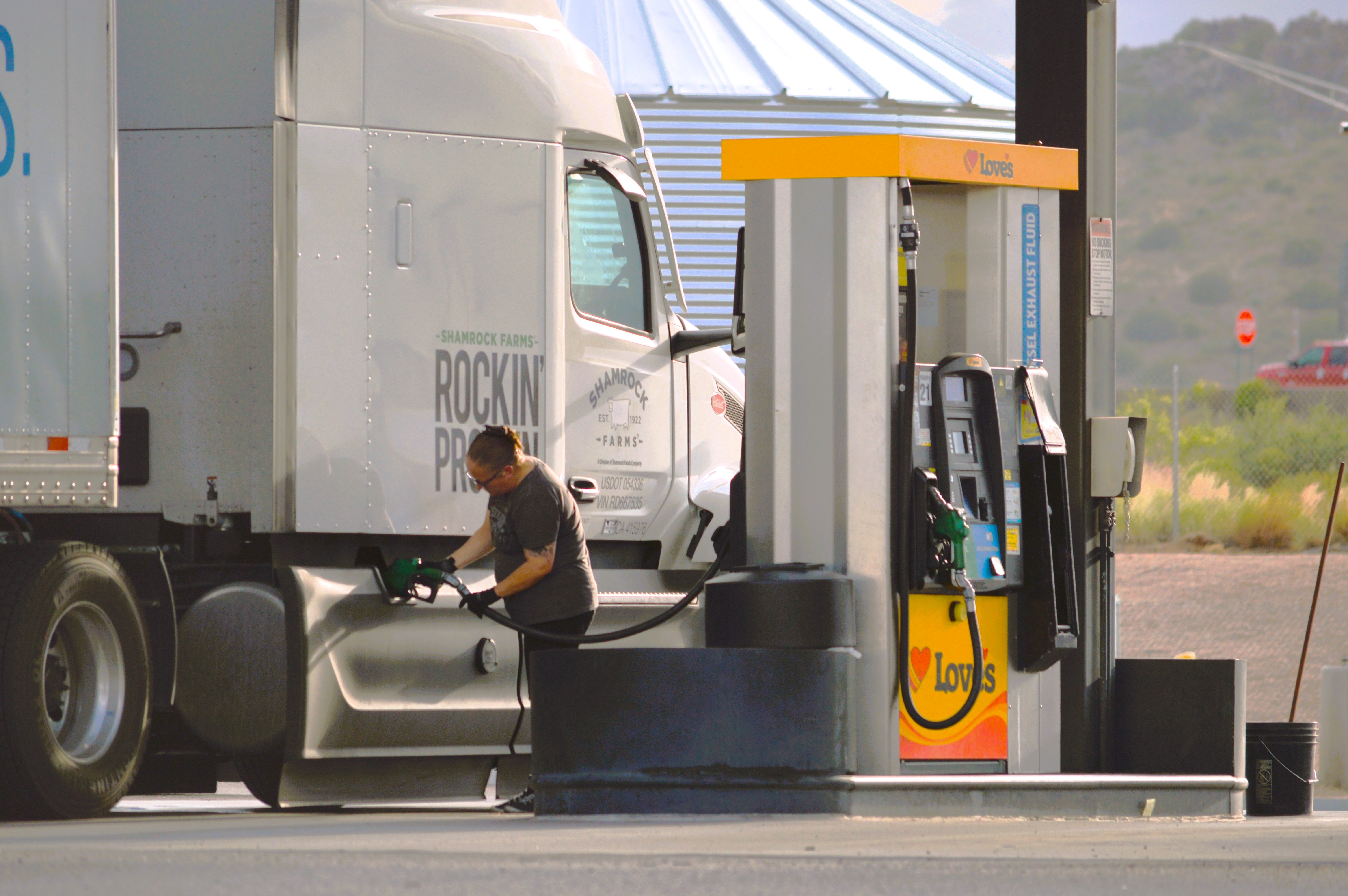
Ramping up the production and deployment of alternative fuels such as low-carbon hydrogen, ammonia, methanol, biodiesel, or synthetic kerosene is paramount.
It is a Herculean challenge. The market share of sustainable aviation fuels was 0.15% or less in 2022. In that year, shipping companies ordered 90 vessels ready for ammonia, 43 for methanol and 3 for hydrogen. The global fleet of container ships counts 5 600 vessels.
Advancing in tandem
Churning out enough hydrogen to meet the 2021 fuel demand of the global shipping industry with synthetic methanol would require installing 167 times the total renewable energy capacity Germany added in that year.
For the transition to net-zero emissions, the energy and transport sectors must each do their jobs but in tandem. New propulsion technologies devised in the transport sector will only be part of the solution to the extent the energy sector can provide the relevant fuels in ways that enable a fast shift.
Crucially, many technical solutions for decarbonising energy and transport sit at the nexus between the two sectors. For instance, a large electric vehicle fleet and smart chargers offer energy storage capacity that can help electrical grids balance supply and demand in a renewable energy world.
Transforming together
Upgrading the electric grid and launching alternative fuels at a meaningful level will require money – but ultimately, success depends on an integrated vision of what should power human mobility and global trade and how that could be turned into reality.
Many levers can be pulled to accelerate the transition in both simultaneously. They should be used with determination, focus and in a spirit of shared responsibility.
At COP28 in Dubai, energy and transport ministers will convene in that spirit for their first-ever joint meeting, on the invitation of the International Energy Agency and the International Transport Forum.
It may sound obvious, but it bears repeating: Energy is the lifeblood of the global economy. Transport provides the arteries and veins of international trade, tourism, and local economic activity. To continue serving economic development, both must transform themselves – and together.
Young Tae Kim is the Secretary-General of the International Transport Forum
ITF at COP28: Join us on site in Dubai, UAE, or online with our virtual events
 Transport Policy Matters